Table of Contents
- How to Reduce Puffy Eyes Fast: A Timed Routine
- Causes of Puffy Eyes: Why You Wake Up Swollen
- Cold Compress for Puffy Eyes: What Works and What Doesn’t
- How Long Do Puffy Eyes Last?
- Eye Cream for Puffiness: How to Choose One That Works
- Red Flags: When Swollen Eyes Need a Doctor
- Prevention: Daily Habits That Keep Puffiness Away
- Conclusion: Your Fastest Path to Refreshed Eyes
- Frequently Asked Questions
Last Updated: October 15, 2026
How to Reduce Puffy Eyes Fast: A Timed Routine
Waking up with swollen under-eyes before a big event is frustrating, but you can learn how to reduce puffy eyes fast with a simple routine. At Instantly Ageless, we hear from customers who want visible results before weddings, photo shoots, and work presentations. The good news: most morning puffiness fades with the right steps.
Here is the core truth. Under-eye puffiness is fluid trapped in the thin tissue around your eyes. Cold, gravity, and time all help move that fluid along. So the fastest fix combines all three.
Below, we walk through a timed routine you can start the moment you wake up. We also cover what causes puffiness, which remedies actually work, and when to call a doctor.
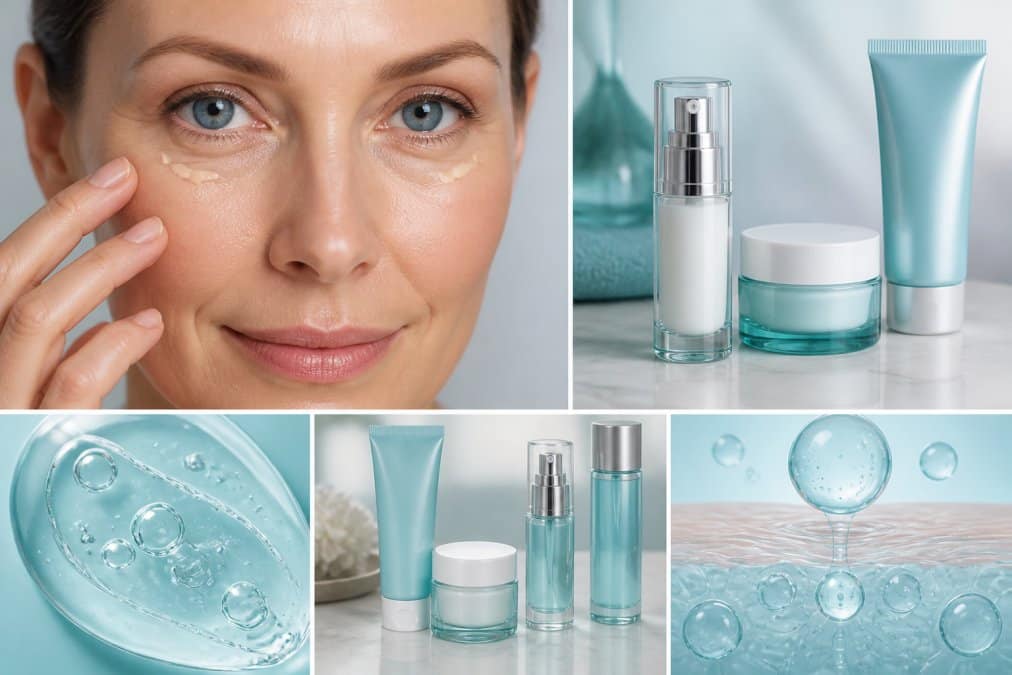
The 15-Minute De-Puffing Sequence
Follow these steps in order. The whole routine takes about 15 minutes.
- Minutes 0-2: Splash your face with cool water to wake up circulation.
- Minutes 2-7: Apply a cold compress. Use a chilled gel mask, a cold washcloth, or wrapped ice.
- Minutes 7-10: Gently massage the area with your ring finger, moving from inner corner outward.
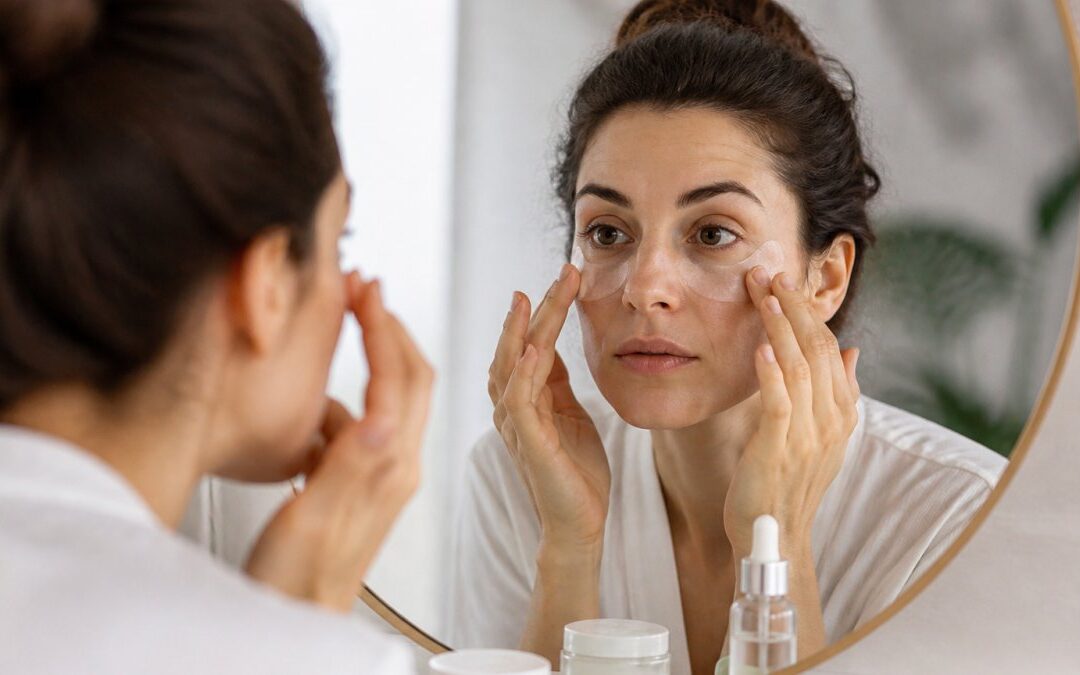
- Minutes 10-13: Apply an eye cream for puffiness while the skin is still cool.
- Minutes 13-15: Drink a full glass of water to support hydration.
Keep a gel eye mask in the fridge overnight. Cold tools work faster than room-temperature ones because cold narrows blood vessels and calms swelling.
Causes of Puffy Eyes: Why You Wake Up Swollen
Puffy eyes happen when fluid builds up in the tissue around your eyes, and several triggers can cause it. According to Cleveland Clinic’s overview of under-eye puffiness, common causes include poor sleep, salty meals, and allergies.
The most frequent triggers:
- Sleep deprivation. Too few hours rest slows fluid drainage.
- Sleep position. Lying flat lets fluid pool under your eyes.
- Salt and sodium. A salty dinner can leave you swollen by morning.
- Alcohol. Alcohol dehydrates you and can worsen morning puffiness.
- Allergies. An allergic reaction releases histamines that cause swelling.
- Fluid retention. Hormones and health conditions can play a role.
Different causes need different fixes. A salty meal calls for water and a cold compress. Allergies may need antihistamines. That is why matching the remedy to the cause matters.
Cold Compress for Puffy Eyes: What Works and What Doesn’t
A cold compress for puffy eyes is the fastest single remedy for most people. Cold narrows blood vessels and reduces swelling within minutes. According to American Academy of Ophthalmology guidance on eye swelling, cool compresses are a safe first step for mild puffiness.
What works well:
- Chilled gel masks. Reusable and easy to keep cold.
- Cold washcloth. Simple and free.
- Cucumber slices. Cooling, though mostly for the chill, not the vegetable.
- Green tea bags. The caffeine and coolness may help soothe the area.
What works less than people expect:
- Warm compresses. Heat can worsen swelling.
- Rubbing your eyes. This increases irritation and puffiness.
Never press ice directly against your eyelids. It can burn the thin skin. Always wrap ice in a cloth first.
How Long Do Puffy Eyes Last?
Most cases of puffy eyes last a few hours to a day, depending on the cause. Morning puffiness often fades within 30 to 60 minutes once you are upright and moving. Puffiness from a salty meal or poor sleep usually clears by midday.
Puffiness that lingers for days or weeks can point to a different issue. Allergies, fluid retention, or a health condition may keep the swelling around. If your under-eye puffiness never clears, it is worth a doctor’s visit.
Here is a quick guide to expected timing:
| Cause | Typical Duration | Fastest Fix |
|---|---|---|
| Poor sleep | 30-60 minutes | Cold compress, hydration |
| Salty meal | A few hours | Water, cold compress |
| Alcohol | A few hours | Hydration, rest |
| Allergies | Hours to days | Antihistamines, cold compress |
| Fluid retention | Days | Doctor’s advice |
Eye Cream for Puffiness: How to Choose One That Works
An eye cream for puffiness works best when you pick it for your main cause. Look for cooling, hydrating, and firming ingredients. Apply it while the skin is still cool from your compress for the best effect.
What to look for:
- Caffeine. A common ingredient that may tighten the look of skin.
- Hyaluronic acid. Draws in moisture for a plumper look.
- Peptides. Support the skin’s firmness over time.
This is where a product like Instantly Ageless fits. Our formulas target puffiness, fine lines, and dark circles in minutes. The flagship Facelift in a Box serum is designed for fast, visible results, and it is fragrance-free for sensitive skin. Customers have reported seeing a lift within minutes.
Match your eye cream to your cause. Cooling and firming ingredients help with fluid puffiness, while hydrating ones help with dryness and fine lines.
Red Flags: When Swollen Eyes Need a Doctor
Most puffy eyes are harmless and fade on their own. The skill is telling ordinary temporary puffiness apart from swelling that needs prompt medical attention. The distinction usually comes down to four things: whether it is one-sided, whether it hurts, whether it affects your vision, and whether it is getting worse rather than better.
Seek urgent care the same day
Get medical care right away if swelling comes with any of these:
- Pain or tenderness around the eye, especially if it is worsening
- Blurred or double vision, or any new change in eyesight
- Redness or warmth in the area, which can suggest infection
- Swelling that spreads to the cheek or forehead
- Fever along with the swelling
- One-sided swelling that appeared suddenly, particularly with pain or vision changes
- A bulging or protruding eye, or swelling that makes it hard to close the eyelid
These patterns can point to an infection or a more serious problem that home remedies will not fix. Do not wait to see whether a cold compress helps.
See a doctor soon (not necessarily urgent)
Book a visit if puffiness:
- Lasts for days or weeks without clearing
- Keeps coming back no matter what you change
- Appears with other symptoms, such as fatigue, weight change, or swelling elsewhere on the body
- Looks like a firm, persistent bag rather than soft, fluid-like swelling
Persistent or recurring swelling can reflect allergies, fluid retention, thyroid or kidney issues, or a structural under-eye bag. A clinician can help sort out which one you are dealing with.
Contact lens precautions
If you wear contact lenses, remove them at the first sign of irritation, redness, or swelling, and keep them out until the eye feels completely normal. Never sleep in lenses or wear them past their replacement schedule. According to CDC guidance on contact lens hygiene, poor lens habits are a common driver of eye infections, and infections can cause swelling that looks like ordinary puffiness at first. Do not put a lens back into an eye that is still red, painful, or swollen, and do not try to mask the problem with a compress alone.
What is probably not an emergency
Soft, symmetrical puffiness that is worst in the morning and improves once you are upright and moving is usually ordinary fluid retention. If it fades within an hour or two and you feel otherwise well, home care is reasonable. The key is the pattern: temporary, painless, both eyes, and improving.
Do not apply unapproved creams, oils, or home mixtures near the eye to “treat” swelling. The eye area absorbs products readily, and ingredients that are fine elsewhere on the body can irritate or injure the eye. When in doubt, use cool water and a clean compress, and call a clinician.
Urgent signs are one-sided, painful, vision-affecting, spreading, or fever-linked swelling. Persistent or recurring puffiness deserves a scheduled visit. Contact lens wearers should remove lenses at the first sign of trouble and never sleep in them.
Prevention: Daily Habits That Keep Puffiness Away
Prevention comes down to a few daily habits that keep fluid from building up overnight. Small changes add up fast.
- Sleep 7-8 hours. Rest helps your body drain fluid.
- Elevate your head. Use an extra pillow to stop fluid pooling.
- Drink about 1.5 liters of water per day. Hydration supports fluid balance.
- Cut back on salt and alcohol. Both drive morning puffiness.
- Manage allergies. Antihistamines and clean bedding help.
- Remove makeup and contacts before bed every night.
If you wake up puffy often, check your dinner. A salty or alcohol-heavy meal the night before is one of the most common causes.
Conclusion: Your Fastest Path to Refreshed Eyes
Puffy eyes are annoying, but they rarely last. A cold compress, a gentle massage, and good hydration handle most cases within minutes. The trick is matching your fix to the cause and staying consistent with daily habits.
When you need a fast, visible result before an event, Instantly Ageless is here to help. Our clinically-proven, fragrance-free formulas reduce puffiness and fine lines in about two minutes. They also support collagen over time with continued use. Get started with Instantly Ageless and walk into your next event looking refreshed and confident.
Frequently Asked Questions
How to get rid of puffy eyes in five minutes?
A cold compress is the fastest option. Soak a washcloth in ice water, wring it out, and hold it over closed eyes for 5 minutes. The cold constricts blood vessels and reduces fluid retention. If you have cucumber slices or chilled green tea bags, those work too. Follow with a gentle massage from the inner corner outward to help drain excess fluid. Most people see visible improvement within 10 minutes.
Can dehydration cause puffy eyes?
Yes. When you are dehydrated, your body holds onto water, which can show up as under-eye puffiness. Aim for about 1.5 liters of water per day. Alcohol and high-sodium meals also pull water from your skin and can make morning puffiness worse. Drinking water consistently throughout the day helps your body flush excess fluid instead of storing it.
Does a cold compress help reduce puffy eyes?
A cold compress for puffy eyes works by narrowing blood vessels and reducing swelling. Use a cold washcloth, chilled cucumber slices, or cold tea bags for 10 to 15 minutes. The cold temperature also soothes irritation and can calm allergy-related puffiness. For best results, lie down with your head slightly elevated while applying the compress.
When should I see a doctor about swollen eyes?
See a doctor if swelling comes with pain, redness, blurred vision, or discharge. Puffiness that lasts more than a few days without improvement, or that affects only one eye, also needs medical attention. These can signal an infection, thyroid issue, or allergic reaction that requires treatment beyond home remedies. Persistent under-eye bags may also be a sign of a health condition worth checking.